両親
Parents
Mes parents
父母
父母
부모
Parents
Mes parents
父母
父母
부모

父
Father
Mon père
父亲
父親
아버지
Father
Mon père
父亲
父親
아버지

母
Mother
Ma mère
母亲
母親
어머니
Mother
Ma mère
母亲
母親
어머니
兄弟
Brothers
Mes frères (et soeurs)
兄弟
兄弟
형제
Brothers
Mes frères (et soeurs)
兄弟
兄弟
형제

兄
Elder brother
Mon grand frère
哥
哥
오빠
Elder brother
Mon grand frère
哥
哥
오빠
弟
Younger brother
Mon petit frère
弟
弟
동생
Younger brother
Mon petit frère
弟
弟
동생
姉妹
Sisters
Mes soeurs
姐妹
姐妹
자매
Sisters
Mes soeurs
姐妹
姐妹
자매

姉
Elder sister
Ma grande soeur
姐
姐
누나
Elder sister
Ma grande soeur
姐
姐
누나
妹
Younger sister
Ma petite soeur
妹
妹
여동생
Younger sister
Ma petite soeur
妹
妹
여동생
・非常に多様化しています
It is very varied today.
Il existe de très nombreux styles
很多元化
很多元化
매우 다양합니다
It is very varied today.
Il existe de très nombreux styles
很多元化
很多元化
매우 다양합니다
・普段の生活や通勤は洋服を着ている人が多い
Many wear western style for everyday life and office work.
La plupart des Japonais portent desvêtements occidentaux au travail commedans la vie de tous les jours
日常生活与上班时候很多人穿西装
日常生活與上班時候很多人穿西裝
일반생활이나 통근은 양복을 입은 사람이 많디
Many wear western style for everyday life and office work.
La plupart des Japonais portent desvêtements occidentaux au travail commedans la vie de tous les jours
日常生活与上班时候很多人穿西装
日常生活與上班時候很多人穿西裝
일반생활이나 통근은 양복을 입은 사람이 많디

・国内外のブランド品が横行しています
People wear many famous brands, domestic and overseas..
Autant les produits de marques japonaises qu'étrangères sont en vogue
国内外名牌产品很猖獗
國內外名牌產品很猖獗
국내외 명품이 횡행하고 있습니다
People wear many famous brands, domestic and overseas..
Autant les produits de marques japonaises qu'étrangères sont en vogue
国内外名牌产品很猖獗
國內外名牌產品很猖獗
국내외 명품이 횡행하고 있습니다

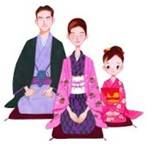
・冠婚葬祭では着物を着る人が多い
For special ceremonies such as marriage, funeral and other formal occasions, there are people who wear traditional Japanese clothes (Kimono).
Les Japonais portent des kimonos pour les occasions et évènements spéciaux de la vie de famille
在婚礼和葬礼人们经常穿和服
在婚禮和葬禮人們經常穿和服
관혼상제때 기모노를 입는 사람이 많다
For special ceremonies such as marriage, funeral and other formal occasions, there are people who wear traditional Japanese clothes (Kimono).
Les Japonais portent des kimonos pour les occasions et évènements spéciaux de la vie de famille
在婚礼和葬礼人们经常穿和服
在婚禮和葬禮人們經常穿和服
관혼상제때 기모노를 입는 사람이 많다
・若い人は流行に敏感
Youngsters follow the fad very much.
Les jeunes sont très influencés parla mode
年轻人追求时尚的
年輕人追求時尚的
젊은 사람은 유행에 민감
Youngsters follow the fad very much.
Les jeunes sont très influencés parla mode
年轻人追求时尚的
年輕人追求時尚的
젊은 사람은 유행에 민감
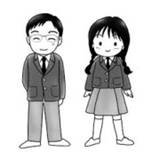
・学校・大きなお店は制服を着ている所が多い
Many schools or large stores have so called uniforms, the same type of clothes worn by everybody.
Il y a beaucoup d'endroits où on les voit porter des uniformes, notammentà l'école ou dans les grands magasins
学校跟大型商店很多都是穿制服
學校跟大型商店很多都是穿制服
학교 · 대규모 가게들은 유니폼을 입는 곳이 많다
Many schools or large stores have so called uniforms, the same type of clothes worn by everybody.
Il y a beaucoup d'endroits où on les voit porter des uniformes, notammentà l'école ou dans les grands magasins
学校跟大型商店很多都是穿制服
學校跟大型商店很多都是穿制服
학교 · 대규모 가게들은 유니폼을 입는 곳이 많다
・国際化・外食化しています
We eat meals prepared in different cooking styles of the world and people now eat out more often than before.
Forte internationalisation et tendanceà prendre ses repas à l'extérieur
很国际化和与流行外食
很國際化和與流行外食
국제화 · 외식 화하고 있습니다
We eat meals prepared in different cooking styles of the world and people now eat out more often than before.
Forte internationalisation et tendanceà prendre ses repas à l'extérieur
很国际化和与流行外食
很國際化和與流行外食
국제화 · 외식 화하고 있습니다
・和食・洋食・中華などが毎日混交している
Every day of the week, we eat Japanese food, western food, and Chinese food in a non-regular order.
C'est un mélange de cuisines japonaise, chinoise et occidentale
日本菜,西洋菜,中华料理每一天都不一样
日本菜,西洋菜,中華料理每一天都不一樣
일식 · 양식 · 중화요리 등이 매일 섞여있다
Every day of the week, we eat Japanese food, western food, and Chinese food in a non-regular order.
C'est un mélange de cuisines japonaise, chinoise et occidentale
日本菜,西洋菜,中华料理每一天都不一样
日本菜,西洋菜,中華料理每一天都不一樣
일식 · 양식 · 중화요리 등이 매일 섞여있다
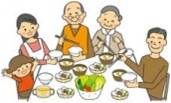
・基本は朝・昼・夜の1日3食です
Basically, many eat three times a day (breakfast, lunch and supper).
Les Japonais prennent trois repas par jour: matin, midi et soir
基本是早上,中午,晚上一日三餐
基本是早上,中午,晚上一日三餐
기본은 아침 점심 저녁 1 일 3 식입니다
Basically, many eat three times a day (breakfast, lunch and supper).
Les Japonais prennent trois repas par jour: matin, midi et soir
基本是早上,中午,晚上一日三餐
基本是早上,中午,晚上一日三餐
기본은 아침 점심 저녁 1 일 3 식입니다
・朝抜き・朝昼兼食+夕食などの人が多くなっている
There now more people who only eat twice (without breakfast, or just having brunch, and supper) than before.
Beaucoup de Japonais ne prennent actuellement pasde petit déjeuner
早餐与午餐一起吃+晚餐的人越来越多
早餐與午餐一起吃+晚餐的人越來越多
아침 빼기 · 아침겸점심 같이 먹기 + 저녁 사람들이 많아지고있다
There now more people who only eat twice (without breakfast, or just having brunch, and supper) than before.
Beaucoup de Japonais ne prennent actuellement pasde petit déjeuner
早餐与午餐一起吃+晚餐的人越来越多
早餐與午餐一起吃+晚餐的人越來越多
아침 빼기 · 아침겸점심 같이 먹기 + 저녁 사람들이 많아지고있다
・働く主婦が多く家庭料理も簡単・短時間につくれるものが多いです
There are now many married working women and they tend to prefer simple cooking style that does not take too much time.
Du fait du nombre élevé de femmes actives, on trouve de plus en plus de plats faciles et rapides à cuisiner
上班的太太大部份都是煮一些简单快捷的家庭料理
上班的太太大部份都是煮一些簡單快捷的家庭料理
일하는 주부가 가정요리를 쉽고 빠르게 만드는 겨우가 많다
There are now many married working women and they tend to prefer simple cooking style that does not take too much time.
Du fait du nombre élevé de femmes actives, on trouve de plus en plus de plats faciles et rapides à cuisiner
上班的太太大部份都是煮一些简单快捷的家庭料理
上班的太太大部份都是煮一些簡單快捷的家庭料理
일하는 주부가 가정요리를 쉽고 빠르게 만드는 겨우가 많다

・間取りは狭くマンションでも4Kや3LDKが中心
Japanese houses tend to be not so spacious. Even large condominium style houses have four rooms with kitchen or three rooms with so called LDK (living and dining room with kitchen combined).
La plupart des familles japonaises vivent dans des appartements 3 pièces (en plus d'une pièce faisant office de salle à vivre, salle à manger et cuisine) ou 4 pièces (cuisine non comprise)
房间布置很窄公寓大楼也大多是3房一厅或四房一厨
房間佈置很窄公寓大樓也大多是3房一廳或四房一廚
구조가 좁아 아파트도 4K 및 3LDK 중심
Japanese houses tend to be not so spacious. Even large condominium style houses have four rooms with kitchen or three rooms with so called LDK (living and dining room with kitchen combined).
La plupart des familles japonaises vivent dans des appartements 3 pièces (en plus d'une pièce faisant office de salle à vivre, salle à manger et cuisine) ou 4 pièces (cuisine non comprise)
房间布置很窄公寓大楼也大多是3房一厅或四房一厨
房間佈置很窄公寓大樓也大多是3房一廳或四房一廚
구조가 좁아 아파트도 4K 및 3LDK 중심
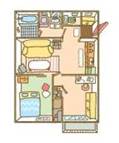
・少子化もあるが子供に一部屋与える家が多い
Today there are fewer children and in many families, so it is likely that a room is given to a child (or children).
Malgré la baisse de la natalité, la plupart des enfants ont une chambre à eux
大部份的家庭都给孩子一个房间
大部份的家庭都給孩子一個房間
소자화도 있지만 아이에게 개인 방을 줄 집이 많다
Today there are fewer children and in many families, so it is likely that a room is given to a child (or children).
Malgré la baisse de la natalité, la plupart des enfants ont une chambre à eux
大部份的家庭都给孩子一个房间
大部份的家庭都給孩子一個房間
소자화도 있지만 아이에게 개인 방을 줄 집이 많다
・住まいは一戸建てと集合住宅が約半々
Individual houses and apartment style houses are about 50 percents each.
Environ la moitié des familles viventdans des maisons, et l'autre en appartement
住的地方是独户与大楼各一半
住的地方是獨戶與大樓各一半
사는 곳은 주택과 아파트이 약 반반
Individual houses and apartment style houses are about 50 percents each.
Environ la moitié des familles viventdans des maisons, et l'autre en appartement
住的地方是独户与大楼各一半
住的地方是獨戶與大樓各一半
사는 곳은 주택과 아파트이 약 반반

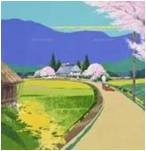
・一戸建ては緑の多い郊外・地方型中心
Individual houses are often found in the suburbs or in the countryside.
La plupart des maisons sont situéesen banlieue et dans les campagnes
一栋独户的都是在很多绿色的郊区与郊外
一棟獨戶的都是在很多綠色的郊區與郊外
단독주택 자연이 우거진 교외 · 지역을 중심
Individual houses are often found in the suburbs or in the countryside.
La plupart des maisons sont situéesen banlieue et dans les campagnes
一栋独户的都是在很多绿色的郊区与郊外
一棟獨戶的都是在很多綠色的郊區與郊外
단독주택 자연이 우거진 교외 · 지역을 중심
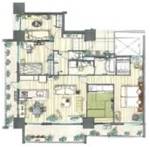
・集合住宅は通勤通学・買い物に便利な都会型中心
Apartment style houses are found often close to the big cities for the convenience of commuting, schooling and shopping.
La plupart des Japonais vivent en ville, dans des immeubles d'habitation proches de leur école, lieu de travail et supermarché
集中住宅是方便通勤上学与购物的都会区
集中住宅是方便通勤上學與購物的都會區
공동주택은 통근 통학 · 쇼핑에 편리한 도시 형 중심
Apartment style houses are found often close to the big cities for the convenience of commuting, schooling and shopping.
La plupart des Japonais vivent en ville, dans des immeubles d'habitation proches de leur école, lieu de travail et supermarché
集中住宅是方便通勤上学与购物的都会区
集中住宅是方便通勤上學與購物的都會區
공동주택은 통근 통학 · 쇼핑에 편리한 도시 형 중심

・集合住宅もマンション・パレスなど高級住宅も多い
Apartment style houses come in different price categories and there are expensive types (which are often called "mansions" and "palaces" even.)
Il y a également beaucoup d'appartements et lofts luxueux
集中住宅区也是有很多大楼与大厦等高级住宅
集中住宅區也是有很多大樓與大廈等高級住宅
공동주택구 아파트 팰리스 등 고급 주택도 많다
Apartment style houses come in different price categories and there are expensive types (which are often called "mansions" and "palaces" even.)
Il y a également beaucoup d'appartements et lofts luxueux
集中住宅区也是有很多大楼与大厦等高级住宅
集中住宅區也是有很多大樓與大廈等高級住宅
공동주택구 아파트 팰리스 등 고급 주택도 많다
・あいさつの際おじぎをする習慣があります
People bow when they exchange greetings.
Les Japonais se saluent en inclinant lebuste
问候时有鞠躬的习惯
問候時有鞠躬的習慣
인사 때 절을 하는 습관이 있습니다
People bow when they exchange greetings.
Les Japonais se saluent en inclinant lebuste
问候时有鞠躬的习惯
問候時有鞠躬的習慣
인사 때 절을 하는 습관이 있습니다

・ビジネスに拘らず名刺を持っていると便利
Name cards are very handy even if you are not conducting business here.
Ils ont très souvent leur carte de visite sur eux, même en dehors du travail
无论是不是做生意, 拿著名片就很方便
無論是不是做生意, 拿著名片就很方便
비즈니스에 상관없이 명함을 가지고 있으면 편리
Name cards are very handy even if you are not conducting business here.
Ils ont très souvent leur carte de visite sur eux, même en dehors du travail
无论是不是做生意, 拿著名片就很方便
無論是不是做生意, 拿著名片就很方便
비즈니스에 상관없이 명함을 가지고 있으면 편리

・初婚年齢が急に高くなって来ている
The average age of first marriage has gone up significantly lately.
Les Japonais se marient de plus en plus vieux
初婚年龄突然上升
初婚年齡突然上升
초혼 연령이 갑자기 높아지고 있다
The average age of first marriage has gone up significantly lately.
Les Japonais se marient de plus en plus vieux
初婚年龄突然上升
初婚年齡突然上升
초혼 연령이 갑자기 높아지고 있다
・教育は小学6年・中学3年間が義務教育
The first six years of elementary school and the subsequent three years of junior high-school is so called compulsory education (and is subsided by the government).
L'école est obligatoire pendant les 6 années d'école primaire et les 3 années de collège
义务教育是小学六年初中三年
義務教育是小學六年初中三年
교육은 초등학교 6 년 중학교 3 년이 의무 교육
The first six years of elementary school and the subsequent three years of junior high-school is so called compulsory education (and is subsided by the government).
L'école est obligatoire pendant les 6 années d'école primaire et les 3 années de collège
义务教育是小学六年初中三年
義務教育是小學六年初中三年
교육은 초등학교 6 년 중학교 3 년이 의무 교육
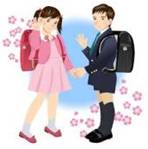
・総じて教育熱心で、大学進学率も50%を越えた
Japan is known for its interest in education and the ratio of students who go to college at the eligible age has gone up above 50 %.
Plus de 50% des lycéens japonais vont ensuite à l'université
一般对教育热情,大专进学率也超过50%
一般對教育熱情,大專進學率也超過50%
대체로 교육에 열심이고, 대학 진학률도 50%를 넘었다
Japan is known for its interest in education and the ratio of students who go to college at the eligible age has gone up above 50 %.
Plus de 50% des lycéens japonais vont ensuite à l'université
一般对教育热情,大专进学率也超过50%
一般對教育熱情,大專進學率也超過50%
대체로 교육에 열심이고, 대학 진학률도 50%를 넘었다
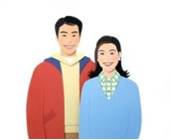
・宗教は神道・仏教が中心でキリスト教も多くなってきている
Main religion practiced in Japan is either Buddhism and Shintoism, but there is also a small Christian population, too.
Les principales religions sont le bouddhisme et le shintô, mais on trouve aussi de plus en plus de chrétiens
基督徒也已成为许多神道,佛教的中心
基督徒也已成為許多神道,佛教的中心
종교는 신도 · 불교 가 중심이 되고 기독교도 많아지고 있다
Main religion practiced in Japan is either Buddhism and Shintoism, but there is also a small Christian population, too.
Les principales religions sont le bouddhisme et le shintô, mais on trouve aussi de plus en plus de chrétiens
基督徒也已成为许多神道,佛教的中心
基督徒也已成為許多神道,佛教的中心
종교는 신도 · 불교 가 중심이 되고 기독교도 많아지고 있다
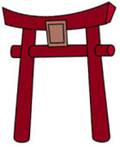
・宗教と風俗習慣が入り交ざった状況が続いている
Japanese religions (mainly Buddhism and Shintoism) have blurred boundary between the secular world and the religious world for a long time.
Les moeurs et coutumes japonaises sont fortement imprégnées de religion
宗教与风俗习惯混合的状况一直继续
宗教與風俗習慣混合的狀況一直繼續
종교와 풍습이 섞인 상황이 계속되고있다
Japanese religions (mainly Buddhism and Shintoism) have blurred boundary between the secular world and the religious world for a long time.
Les moeurs et coutumes japonaises sont fortement imprégnées de religion
宗教与风俗习惯混合的状况一直继续
宗教與風俗習慣混合的狀況一直繼續
종교와 풍습이 섞인 상황이 계속되고있다
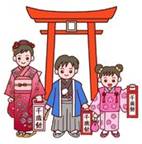
・初詣はお寺、七五三は神社、結婚式は教会のように混交
Even among different religions,the boundaries are not strict: you can find people who go to the Buddhism temple for the new year, the Shinto shrine for children's initiation ceremony (at the age of 7, 5 and 3), and then Christian church for wedding .
Pour la nouvelle année, les Japonais se rendent dans un temple bouddhique, dans un temple shintô pour le festival des enfants de 3, 5 et 7 ans, et se marient à l'église
新年参拜在寺庙,七五三在神社, 婚礼在教会, 挺混合
新年參拜在寺廟,七五三在神社, 婚禮在教會, 挺混合
첫 참배는 절, 시치고 산은 신사, 결혼식은 교회에서 할 듯 섞여있다
Even among different religions,the boundaries are not strict: you can find people who go to the Buddhism temple for the new year, the Shinto shrine for children's initiation ceremony (at the age of 7, 5 and 3), and then Christian church for wedding .
Pour la nouvelle année, les Japonais se rendent dans un temple bouddhique, dans un temple shintô pour le festival des enfants de 3, 5 et 7 ans, et se marient à l'église
新年参拜在寺庙,七五三在神社, 婚礼在教会, 挺混合
新年參拜在寺廟,七五三在神社, 婚禮在教會, 挺混合
첫 참배는 절, 시치고 산은 신사, 결혼식은 교회에서 할 듯 섞여있다
・欧米化しバレンタイン・ハロウィン・クリスマスなどが常識化
Some holidays from the Western world have taken root in Japan: Valentine's Day, Halloween, and Christmas, to name a few.
Les fêtes occidentales comme la StValentin, Halloween ou Noël sont ancrées dans les moeurs
受欧美影响, 情人节, 万圣节, 圣诞节已成常识
受歐美影響, 情人節, 萬聖節, 聖誕節已成常識
서양화하니 발렌타인, 할로윈, 크리스마스 등이 동화된다
Some holidays from the Western world have taken root in Japan: Valentine's Day, Halloween, and Christmas, to name a few.
Les fêtes occidentales comme la StValentin, Halloween ou Noël sont ancrées dans les moeurs
受欧美影响, 情人节, 万圣节, 圣诞节已成常识
受歐美影響, 情人節, 萬聖節, 聖誕節已成常識
서양화하니 발렌타인, 할로윈, 크리스마스 등이 동화된다

・日本語は漢字・ひらがな・カタカナと3つの文字がある
There are three types of characters used in Japan: Chinese characters, and Japanese phonetic characters called Hiragana and Katakana.
Il existe trois syllabaires japonais: leskatakana, les hiragana et les kanjis
日本语有三种字母, 汉字,平假名跟片假名
日本語有三種字母, 漢字,平假名跟片假名
일본어는 한자 · 히라가나 · 카타카 총3개의 글씨가 있다
There are three types of characters used in Japan: Chinese characters, and Japanese phonetic characters called Hiragana and Katakana.
Il existe trois syllabaires japonais: leskatakana, les hiragana et les kanjis
日本语有三种字母, 汉字,平假名跟片假名
日本語有三種字母, 漢字,平假名跟片假名
일본어는 한자 · 히라가나 · 카타카 총3개의 글씨가 있다

・広告・宣伝を中心に英語などのアルファベットの表示も多くなった
Roman alphabets are now often used in print and display thanks to the usage in advertisements.
On voit de plus en plus de publicités et annonces utilisant l'anglais
广告与宣传为主, 使用英文等字母变多了
廣告與宣傳為主, 使用英文等字母變多了
광고 · 선전을 중심으로 영어 등 알파벳 표시도 많아졌다
Roman alphabets are now often used in print and display thanks to the usage in advertisements.
On voit de plus en plus de publicités et annonces utilisant l'anglais
广告与宣传为主, 使用英文等字母变多了
廣告與宣傳為主, 使用英文等字母變多了
광고 · 선전을 중심으로 영어 등 알파벳 표시도 많아졌다

・健康志向が強く、長寿国になっている
Japanese people enjoy a very long life expectancy thanks to its healthy diet and people's attention to the welfare.
Les Japonais accordent une attention particulière à leur santé , l'espérance de vie est élevée au Japon
健康意识高, 成为长寿国
健康意識高, 成為長壽國
건강지향이 강하고 장수국이 되고 있다
Japanese people enjoy a very long life expectancy thanks to its healthy diet and people's attention to the welfare.
Les Japonais accordent une attention particulière à leur santé , l'espérance de vie est élevée au Japon
健康意识高, 成为长寿国
健康意識高, 成為長壽國
건강지향이 강하고 장수국이 되고 있다